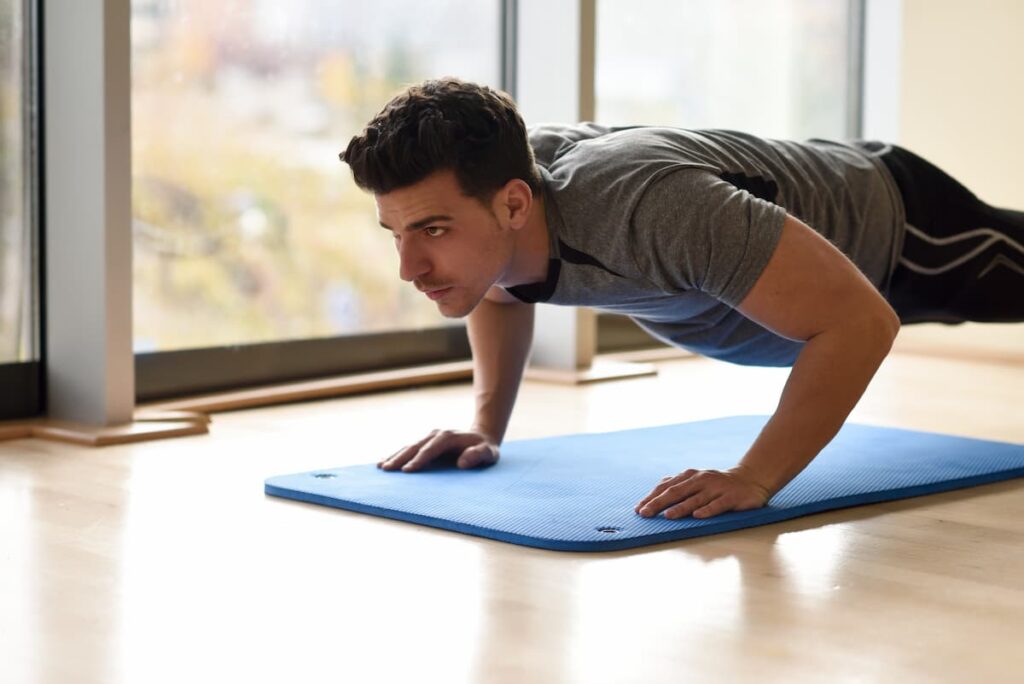
Joint Safe Strength Training at Home

🧠Introduction
Joint safe strength training at home is the perfect way to build muscle, lose fat, and protect your joints—all without leaving your house.
If your knees crack during squats, or your shoulders ache after pushups — you’re not alone.
Many people give up on fitness because it hurts.
But what if you could still get strong, lean, and mobility — without damaging your joints?
Welcome to joint-safe fitness. A smarter, sustainable way to train that focuses on long-term progress, not short-term pain.
Why Choose Joint Safe Strength Training at Home?
With joint safe strength training at home, you can avoid injuries and still make progress.”Your joints aren’t just bones and cartilage — they’re the hinges that support every move you make.
When they get overloaded or trained the wrong way, pain builds up… and progress stops.
I’ve personally gone through this. After pushing too hard in workouts, I developed joint discomfort that slowed me down and made me rethink my training completely.
Whether you’re doing workouts at home or the gym, ignoring joint health can lead to:
-
- Chronic knee or shoulder pain
-
- Reduced mobility
-
- Workout burnout or long breaks
Most busy people don’t have time to deal with injuries — they just quit.
That’s why joint-safe training isn’t just smart… it’s sustainable.
It lets you:
-
- Burn fat safely
-
- Build real strength
-
- Stay consistent (which is what brings results)
5 Key Principles of Joint-Safe Training
Most injuries don’t come from one bad rep — they build up over time due to poor training choices.
That’s why joint-safe training is built on these 5 simple but powerful principles:✅ 1. Prioritize Form Over Reps
Rushing reps or using momentum increases joint stress. Focus on slow, controlled movements with perfect form — even if you do fewer reps you can get results.✅ 2. Choose Low-Impact Movements
Instead of jumping jacks or burpees, go for marches, wall sits, or slow step-ups. You’ll still burn calories — without pounding your knees.✅ 3. Strengthen Supporting Muscles
Strong glutes, core, and back muscles reduce joint pressure. Add exercises like glute bridges, bird-dogs, and planks to your routine.✅ 4. Warm Up and Cool Down
Never skip joint mobility drills or cooldown stretches. A 5-minute warm-up can save you from months of pain.✅ 5. Listen to Your Body (Not Just the Plan)
If a movement hurts, modify or stop. Long-term progress comes from consistency — not pushing through pain.
Sample Joint-Safe Workout (No Equipment)
🔁 Do 2–3 rounds depending on your time and energy levels.
⏱ Rest 30–60 seconds between exercises.
1. Wall Marches – 30 seconds
→ Great for cardio without impact.
2. Glute Bridges – 12 reps
→ Strengthens hips and lower back safely.
3. Wall Push-ups / Incline Push-ups – 10–15 reps
→ Builds upper body strength with less wrist/shoulder stress.
4. Bird-Dogs – 10 reps each side
→ Improves core + spine stability.
5. Seated Chair Squats – 12 reps
→ Builds leg strength with minimal knee strain.
6. Calf Raises (Support on Wall) – 15 reps
→ Boosts ankle strength and balance.
🛡️ “Optional: Joint-Friendly Resistance Band Moves (For Faster Results)”
“Want to take your joint-safe workout to the next level? Resistance bands are perfect for building strength without putting stress on your joints. They’re lightweight, portable, and beginner-friendly.🎥 Watch this 30‑minute full‑body resistance‑band workout—designed to be gentle on the joints yet effective for strength and toning. https://youtu.be/vo3tOhYpBRU
💥 Recommended Resistance Band Kit for Joint-Friendly Workouts
“This set is perfect for pain-free, joint-safe strength training at home. With multiple bands, handles, and door anchors, you can easily train your full body without stressing your joints. Plus, it’s portable and beginner-friendly.”
👉 Check Fashnex Resistance Band Kit on Amazon
💡 Tip: If any move feels uncomfortable, reduce the range of motion or skip it. Joint-safe training is about progress without pain or discomfort.
Final Thoughts: Strength That Lasts Starts with Smart Training
Start your journey with joint safe strength training at home today to stay fit and pain-free.
In fitness, pain is not progress.
Sustainable results come from training that respects your body — especially your joints.
With the right approach, you can lose fat, build muscle, and stay pain-free… all from the comfort of your home.
I’ve seen it work for myself, and now it’s your turn.
👉 Start with the sample workout above. Stay consistent. Your body will thank you.
If you found this post useful, don’t forget to check out our Fat Loss Tips – and strength training workouts for more home-friendly fitness routines
“Learn more about joint-friendly workouts on Healthline.”
What is joint safe strength training?
Joint safe strength training involves exercises that strengthen muscles without putting stress on sensitive joints like knees, shoulders.
Can I do strength training at home if I have joint pain?
Firstly take some rest till pain goes away then Yes! With the right techniques and low-impact movements, you can safely train at home without aggravating joint pain. and then progress slowly.
What are the best joint-friendly strength exercises for beginners?
Bodyweight squats, wall push-ups, resistance band rows, and glute bridges are excellent beginner-friendly options.
How often should I do joint safe strength workouts?
Start with 2-3 sessions per week to allow your joints enough time to recover and adapt then slowly progress to 5 times a week for best results.
Why choose joint safe strength training over regular workouts?
It protects your joints from injury, reduces pain, and still helps you build muscle and improve overall fitness.

Piyush Navlani
Helping Busy People Transform Safely